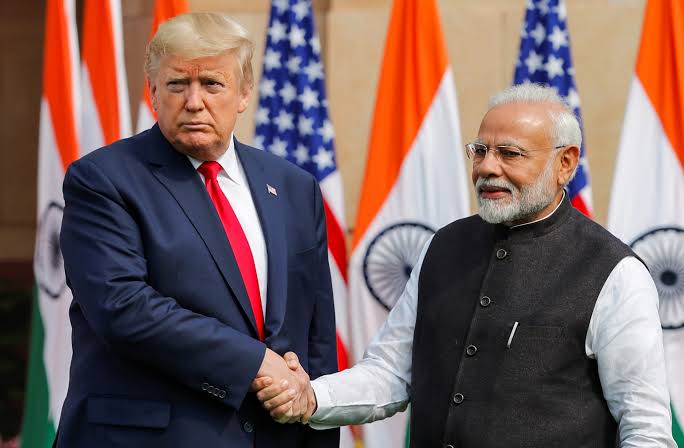
India has warned that if the United States imposes new tariffs due to its purchase of oil from Russia, it could affect bilateral relations between the two countries. New Delhi issued this warning on Thursday, just hours after the House of Representatives, the lower house of the US Congress, approved a sanctions and tariff bill that includes provisions for strict measures against countries purchasing Russian oil.
The bill, designed to increase economic pressure on Russia, was passed by the US House of Representatives on Wednesday. It includes provisions for action against Russia's energy and defense sectors, President Vladimir Putin, other senior officials of the country, and Russia's so-called 'shadow fleet' used to transport oil while evading Western sanctions.
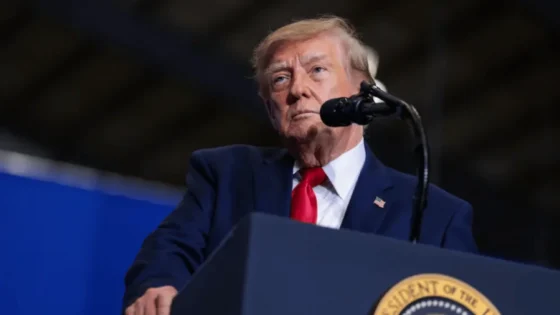
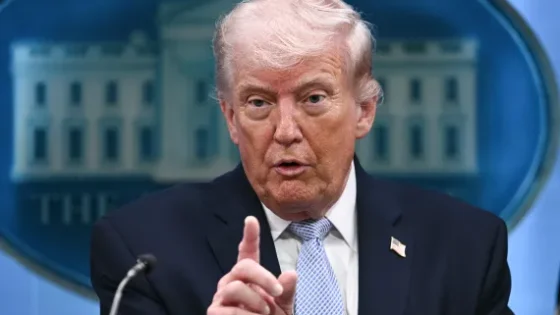
The bill states that US President Donald Trump will be granted the power to impose tariffs of up to 100 percent on countries to reduce their dependence on Russian oil and gas. Major energy buyers of Russia, including India and China, could fall under this measure. At the same time, provisions have been made to further expand sanctions on Iran. The bill is now awaiting President Trump's signature.
Following the passage of the bill, India's Ministry of External Affairs stated that New Delhi is firmly committed to ensuring the energy security of the country's 1.4 billion people. The ministry stated that India has raised the issue in discussions at various levels with US officials in recent months. New Delhi's position is that the potential impact of US actions regarding the purchase of Russian oil could fall not only on India-US bilateral relations but also on the international energy market. The Ministry of External Affairs also stated that the Indian side has clearly presented its position on this matter.
The Tariff Decision is Still in Trump's Hands. The passage of the bill in the US House of Representatives does not mean that a 100 percent tariff is immediately being implemented on India. For the law to take effect, it now requires President Trump's signature. Afterward, the extent to which tariffs will be imposed on any country or product will depend on the decision of the US administration.