For years, Australians have been discussing the cost of living, from groceries to rent, electricity to mortgage repayments. However, another bill is silently becoming one of the greatest financial shocks that households face and it only comes once a year in the letterbox. This bill is for home insurance.
Australian Prudential Regulation Authority (APRA) released its first Insurance Climate Vulnerability Assessment, Mind the Gap, in March 2026; this was a stress test that modelled insurance premium and affordability trends for approximately 10 million Australian homes over the next 25 years (2026-50). Its key conclusion: nearly 1.4 million (or one in seven) Australian households are already under stress to afford their insurance, and are effectively paying for no coverage. That could rise to one in four homes by 2050 in two severe but plausible climates that are possible, in a million more homes becoming too costly to protect their own home.
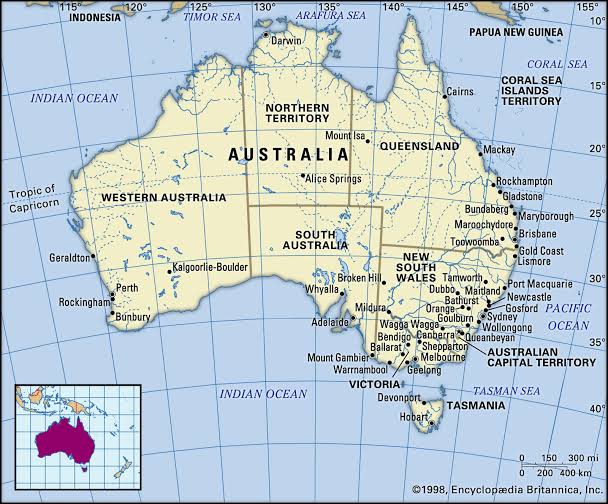
The mechanism is quite simple. APRA discovered home insurance premiums have increased by an average of 7.2 per cent per year between 2010 and 2025, which is more than double the average wage growth of 3.1 per cent per year over the same period. The average premium is climbing, and even the modelling predicted that would grow by 51 per cent over five years to October 2025 alone, from $1,940 to $2,938, and now the average household in Darwin, Sydney and Brisbane is paying nearly $4,000 a year, on average. Households in flood/ cyclone prone postcodes pay much more even. After a “catastrophe” year in 2025, capital-city quotes rose by a further 14.8 per cent in the 12 months to June 2026, which is approximately twice the long-term growth.
It is NOT a problem just to the family. APRA’s analysis suggests that 5 per cent of Australian mortgage holders are already in insurance affordability stress, representing $57 billion of mortgage loan balances or approximately 3 per cent of all home loan assets. Banks need insurance because the home does the job of guaranteeing the mortgage and if the coverage is lost, the risk is transferred from the insurance company to the bank and finally to the borrower. APRA is clear that the protection gap is now a “pure financial-stability issue”, not just a consumer issue.
This is the first time that regional Australia is experiencing it.
The Climate Council has estimated that approximately 520,000 (or around one in 25) Australian properties will be uninsurable by 2030 due to flood, bushfire, coastal erosion or extreme wind risk and that a further one in eleven will be underinsured. The Northern Rivers electorate of NSW is one of Australia’s most at-risk electorates, coming off the back of the devastating 2022 floods. The pattern was repeated in May 2025, when the worst flood ever for the Mid North Coast (one in 500 years) claimed five lives and resulted in a disaster declaration for sixteen local government areas. The insurance calculation is reset for each disaster.
Government action can make a difference. The Australian Reinsurance Pool Corporation says the average premiums dropped 37 per cent and the availability of policies rose by 27 per cent in the highest cyclone risk areas of Australia since the pool was established, beginning in 2022, with a $10 billion guarantee. Unfortunately, the ACCC’s latest monitoring report (released in June 2026) revealed that premiums across the country continue to be high and trending upwards. The pool only covers cyclone risks, and communities in flood and bushfire prone areas do not have an equivalent pool.
This leaves unanswered the real questions. Is it appropriate for governments to implement pooled-risk structures in flood and bushfire prone areas? Invest more heavily in mitigation, and improve building codes? Prevent development in areas identified as being high risk? Or embrace the fact that some communities will have to be given direct help if cover is too expensive? None of these is an easy decision to make and each will not make the risk go away.
Australia has long standardized on the knowledge of climate change in terms of degrees Celsius and hectares burnt. More and more, it should be counted in dollars, the ones that come in the nation’s letterboxes quietly but persistently.