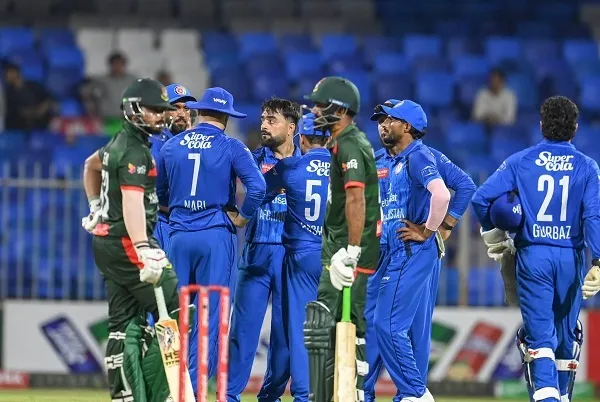
A batting disaster in one match followed by the exact same picture in the next—supporters are frustrated by the successive defeats of the Bangladesh cricket team. Following a 99-run defeat to Zimbabwe in their opening match of the tri-nation ODI series in the United Arab Emirates, Bangladesh also suffered a 7-wicket loss to Afghanistan. With two consecutive defeats, the dream of reaching the final for Tawhid Hridoy's team has come to an end. Continuous batting failures, losing wickets at crucial moments, and the inability to maintain pressure on opponents have once again brought the Tigers under heavy criticism.
On Wednesday, October 21, at the Sharjah Cricket Stadium, Bangladesh decided to bat first after winning the toss against Afghanistan. However, the team ran into trouble right at the beginning. After losing four wickets for just 28 runs, Parvez Hossain Emon and Saif Hassan staged a resistance. Although their 93-run partnership for the fifth wicket gave the team hope of a turnaround, Bangladesh was eventually bowled out for 160 runs in 41.2 overs due to failures from the other batters.
Emon scored the highest 70 runs off 96 balls with five fours and two ছক্কায় (sixes). Saif's bat contributed 41 runs. Apart from Najmul Hossain Shanto's 15 runs, no one else reached double figures. Afghanistan's leg-spinner Rashid Khan took four wickets for 31 runs, causing a major collapse in the Bangladeshi batting lineup.
In reply, although they lost two wickets early on, Bangladesh could not get back into the match. Relying on Rahmat Shah's unbeaten 67 and Hashmatullah Shahidi's 36-run innings, Afghanistan reached the victory target in just 35.3 overs losing three wickets. There were still 87 balls in hand at that time.
Earlier on October 17, in the opening match of the series against Zimbabwe, Bangladesh had also suffered from batting failures. Chasing a target of 272 runs, after losing three wickets at 96 runs at one stage, the team later lost quick wickets and was bundled out for just 172 runs. As a result, Bangladesh's series campaign began with a heavy 99-run defeat.
Batting was at the center of the team's failure in both matches. Just as the batters failed to take responsibility while chasing a big target, they also could not post a score capable of challenging the opponent when batting first. Apart from the partnership between Emon and Saif against Afghanistan, no significant resistance was seen. Although bowlers got early wickets, they later failed to contain the opposing batters.
As a consequence of this failure, Bangladesh has lost the opportunity to play in the final of the tri-nation series. Afghanistan and Zimbabwe will face each other in the battle for the title next Friday. On the other hand, with the series ending in two consecutive defeats, fresh questions have been raised regarding the team's capabilities, batting planning, and capacity to play under pressure.
At a crucial time of World Cup preparation, such performances in ODI cricket are increasing concerns. Supporters expect that the Tigers will quickly find themselves again not just through individual good innings, but through a team mentality to turn things around, consistency in batting, and responsible cricket in moments of pressure.