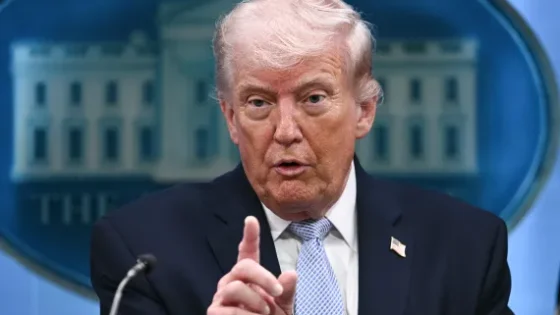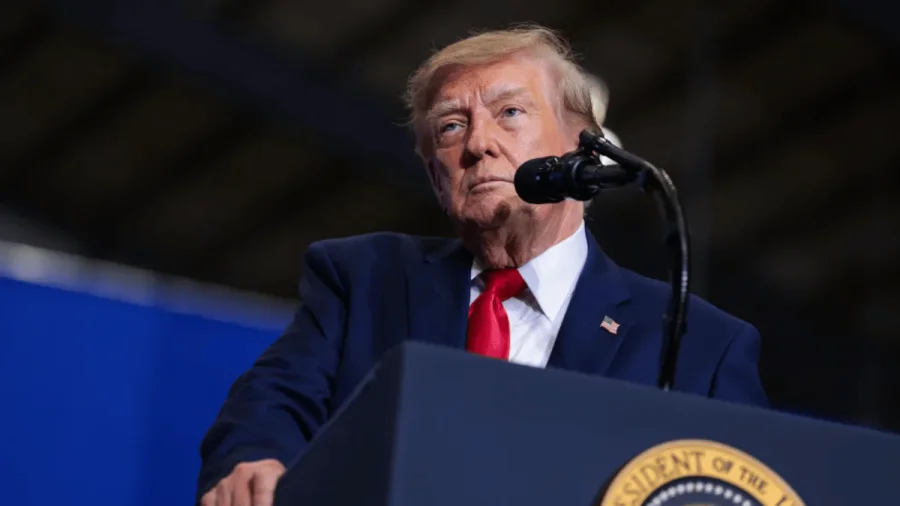
US President Donald Trump has temporarily stepped back from the possibility of new military strikes against Iran, stating that no attack will be launched against the country on Sunday. Trump made these remarks in response to journalists' questions while leaving the White House to participate in an election campaign in Michigan. Directly answering whether there would be an attack on Iran, he stated that there are no plans to conduct a military operation in the country on Sunday.
However, earlier the same day, the US president had delivered a stern message to Iran, raising the possibility of military action against Tehran. In an interview with Fox News, Trump said that the main consideration now is whether an agreement will be reached with Iran or if the country will be completely destroyed.
Meanwhile, Trump also claimed that US control has been established in the Persian Gulf region. According to him, the strategically important Strait of Hormuz is now under US control, and Iran is not deriving any benefits from it.
Earlier on Saturday, October 24, Trump had mentioned the possibility of launching military operations against Iran again or reaching a compromise with the country. However, he expressed doubt over whether Tehran would ultimately keep its commitments even if it agreed to a deal.
At the same time, Trump claimed that US forces had established full military control in the Persian Gulf region. Asserting that the strategically vital Strait of Hormuz is now under strict US control, he said that Iran is currently unable to gain any commercial or strategic advantage from it.
Notably, on February 28, the United States, jointly with Israel, had launched a major military operation in Iran. Later in June, a short-lived ceasefire took effect between the two countries, but it did not last. Under such circumstances, Trump announced that he would not launch new attacks on Iran ahead of the US midterm elections scheduled for early November. This shift in his position has created an opportunity for fresh discussions regarding the future course of tense relations between Washington and Tehran.