Allegations have emerged that thirty Bangladeshis were lured from Bangladesh to Russia with promises of high-paying jobs and subsequently forced into the Russia-Ukraine war. In connection with this human trafficking incident, the Special Response Battalion (SRB) arrested Mizanur Rahman (55), founder of the trafficking ring's mastermind agency Jabale Nur International, and Abu Taher alias Lentu.
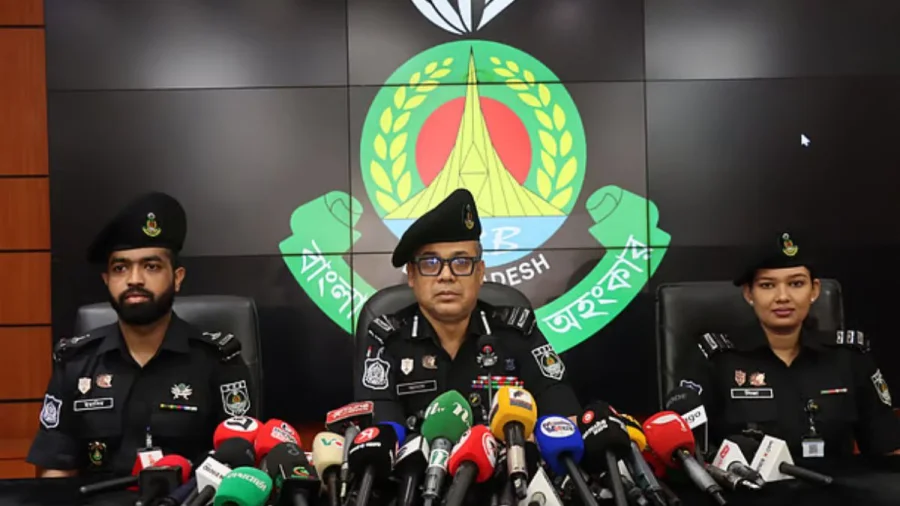
Md. Asaduzzaman, Additional Deputy Inspector General (DIG) and Commander of SRB-10 Battalion, confirmed this information during a press conference held at Karwan Bazar in the capital on Wednesday (October 14) at 11:00 AM.
It was revealed that 30 Bangladeshis went to Russia in search of employment, having been told they would have work opportunities at a construction firm. However, upon their arrival, their passports and mobile phones were seized, and they were handed over to the military. Following 21 days of military training, they were deployed to the Russia-Ukraine war. The Special Response Battalion (SRB) has received information that at least 20 Bangladeshis have died in drone attacks there.
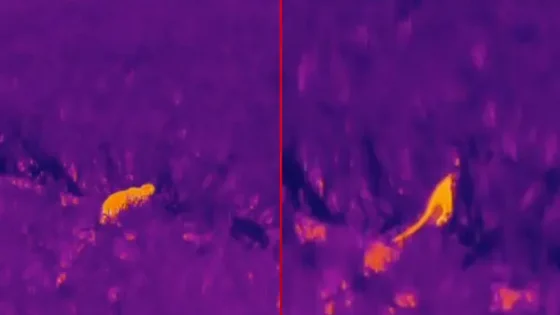
Preliminary investigations by the SRB revealed that the Bangladeshis were sent to the battlefront as a sort of bait to detect enemy positions. When drone attacks targeted them, the attackers' positions and distances could be identified.
The SRB stated that on May 7, the 30 Bangladeshis traveled to Russia through three agencies: Jabale Nur, RS International, and TS Group. Each of them was charged an average of about 10 lakh taka under the pretext of construction work. Upon arrival, instead of receiving the promised jobs, they were handed over to the Russian military and sent to the battlefield after 21 days of training.
Md. Asaduzzaman said, 'Those who were taken from Bangladesh are not actually fit for warfare. They had no physical preparation, training, or tactical practice for war. So why were they sent after only 21 days of training? What we have understood is that they were sent to the battlefield as a sort of bait to identify the opponent's position. When the enemy launches a drone attack on them, that country identifies the enemy's location.'
The SRB stated that they were deployed on the battlefield in three sections (front, middle, and rear). Seventeen people died in drone attacks on the very first day. Later, information regarding the deaths of three more people at various times was received. In total, the SRB has primarily confirmed the deaths of 20 out of the 30 individuals.
During the press conference, Asaduzzaman said that among the survivors, two have returned to Bangladesh with injuries. According to one of them, Rajan, his waist was broken by a drone strike on the battlefield, paralyzing the lower part of his body. He managed to reach the camp by dragging himself about four kilometers using his chest. Among the remaining eight, two are undergoing treatment in a Moscow hospital, and six are still on the battlefield.
Stating that a Russian man named Igor and a Kyrgyz woman named Julia were involved with this human trafficking ring alongside the Bangladeshi syndicate, Md. Asaduzzaman said that information gathering and operations regarding them are ongoing. Efforts are also underway to arrest another member of the ring, Mostafizur.
Asaduzzaman stated that they have preliminarily learned that people from various countries have been similarly drawn into the war in Russia. Those from Bangladesh went particularly from Gopalganj, Mymensingh, Narayanganj, Jamalpur, Pabna, Chapainawabganj, Faridpur, Rajbari, and Gazipur.
The SRB official noted that most of the victims are children of impoverished families. Some went abroad by taking out loans. Now, although many of their families receive news of their relatives' deaths, they have no opportunity to view the bodies or bring them back to the country.
Additionally, he urged caution regarding financial transactions for overseas jobs and verifying the legitimacy of relevant agencies prior to departure.