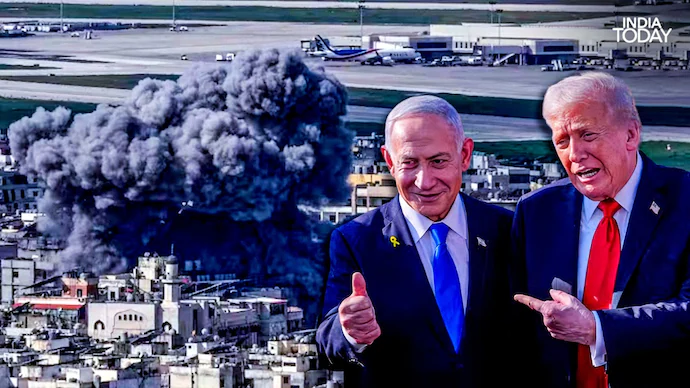
Israeli Prime Minister Benjamin Netanyahu has stated that his primary goal is not a ceasefire with Iran, but rather the downfall of the country's ruling regime. Stating that he has discussed this matter multiple times with U.S. President Donald Trump, he said that if Iran's current administration remains in power, the country will once again attempt to acquire nuclear capabilities and strengthen regional armed groups.
Netanyahu made these remarks on Tuesday, October 20, while speaking at the opening ceremony of the new academic year at Tel Hai College near the northern Israeli city of Kiryat Shmona. Regarding the military campaign against the Lebanese armed group Hezbollah, he stated that by 'finishing the job,' he means the 'fall of Iran's terrorist regime.' He claimed that Iran is the root source of regional instability, and if its regime collapses, groups like Hezbollah will also be weakened, paving the way for peace with Lebanon.
Netanyahu noted that he has spoken with Trump several times regarding Iran's future, including a discussion this past Sunday. In his view, even though military strikes have weakened Iran, the ruling leadership could still attempt to rebuild its nuclear program and increase the strength of its regional allies. Therefore, he believes that merely striking military installations or executing a temporary ceasefire is not enough; bringing an end to Iran's ruling regime is the only way to ensure long-term security.
However, while Netanyahu's remarks highlighted discussions and shared objectives with Trump, it remains unconfirmed whether the two leaders have officially reached any joint decision regarding regime change in Iran. It is also unclear what kind of steps Washington is willing to take on this matter.
Meanwhile, Netanyahu's comments regarding the fall of the Iranian regime have raised new questions about the future of the Middle East conflict. It remains to be seen what steps Israel and the United States will take to implement the goal of regime change, how Tehran will respond, and how effective diplomatic initiatives will be in preventing the spread of the conflict.