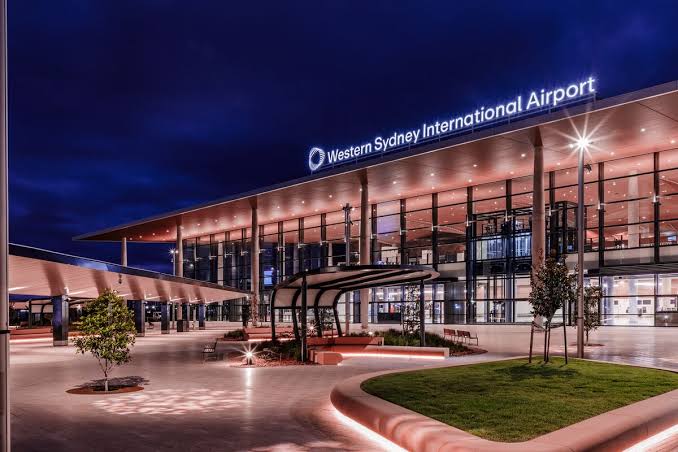
Sydney: A new chapter is about to be written in Australia's aviation history, with the first commercial passenger flight scheduled to take off this morning. At 11:00 am local time, Jetstar flight JQ362 will depart for the Gold Coast, carrying ticketed passengers, Jetstar Chief Executive Stephanie Tully, and several journalists.
With the launch of passenger services at the new airport, a second major passenger airport is joining Sydney's aviation transport system. This journey begins following extensive planning, construction, and trial operations. According to Australian government infrastructure and transport data, the project took approximately 15 years to plan and seven years to build.
Jetstar Chief Executive Stephanie Tully described the day as a "historic day" for Australian aviation. According to her, operating flights from the new airport will provide Western Sydney residents with access to more destinations and increase options for lower-fare air travel.
Jetstar's initiative comes at a time when Western Sydney is undergoing rapid population, business, and infrastructure expansion. The new airport is not only a passenger transport hub but could also become a vital driver of the regional economy, tourism, cargo transport, and employment in the future.
Today's inaugural commercial flight will be operated by Australia's low-cost airline, Jetstar. Passenger services at the new airport will officially commence with the establishment of a connection to the Gold Coast.
As part of the preparation for the airport's opening, a Jetstar test flight was conducted last September. That test verified aircraft landing, terminal entry, passenger-related activities, and pre-departure procedures, with the aim of ensuring the airport's operational readiness prior to the first commercial flight.
According to Jetstar's announced schedule, flights will initially operate from Western Sydney to Melbourne, the Gold Coast, and Brisbane. Plans have been announced to operate up to 14 flights a week on the Melbourne route, four to the Gold Coast, and three to Brisbane. However, the airport's opening day schedule and subsequent regular flight times may vary, and passengers are advised to verify their ticket information before traveling.
International flights starting tomorrow: Although the new airport is named international, passenger services are beginning on the first day with domestic flights. International passenger transport is scheduled to begin the following day, October 26. According to government-announced plans, New Zealand's national airline will launch the first international passenger service from Western Sydney on the Auckland route. Following that, Singapore Airlines plans to operate daily flights from Western Sydney to Singapore's Changi Airport starting November 23. Once these services are launched, Western Sydney passengers will be able to use an additional airport to travel to international destinations, increasing travel options particularly for residents living in Western Sydney and surrounding areas. However, the number of direct flights, destinations, and fares from the new airport will depend on the commercial decisions of airlines and passenger demand.
Airport to operate 24 hours: One of the most important features of the new airport is that it is designed to operate 24 hours a day. Given the nighttime flight restrictions at Sydney's existing Kingsford Smith Airport, the new airport can play a crucial role in enhancing nighttime freight transport and future aviation capacity in particular.
According to government plans, Western Sydney Airport is scheduled to become operational for nighttime flights starting November 1, 2026. At the same time, there are plans to halt cargo aircraft movements during specific nighttime hours at the existing Sydney Airport, although emergency situations and approved exceptions will remain in place.
Integrated infrastructure has been developed at the airport for passengers, international flights, and cargo transport. It is planned to open with a capacity to handle a maximum of 10 million passengers per year in the initial phase, with opportunities to further expand capacity if demand increases in the future.
New prospects for Western Sydney's economy: The impact of the new airport will not be limited to air travel alone. New opportunities are expected to be created in Western Sydney across sectors such as business, transport, tourism, hotels, catering, security, cleaning, warehousing, and cargo transport.
Once the airport becomes fully operational, the expansion of logistics, commercial transport, warehouses, and supply chains is expected in its surrounding areas. At the same time, increased international connectivity is likely to facilitate travel for tourists and business travelers.
Qantas flights to join in 2027: While Jetstar will play a leading role in the initial operations of the new airport, more airlines are planned to join later. QantasLink, a subsidiary of Qantas Group's main airline Qantas, plans to launch flights from Western Sydney Airport to Melbourne and Brisbane starting March 28, 2027.
A new chapter in Sydney's aviation: Sydney's main airport, Kingsford Smith, has long served as one of the country's busiest aviation hubs. However, the need for an alternative airport was steadily growing due to population growth, passenger demand, and the expansion of cargo transport.
Western Sydney International Airport is part of the long-term plan to meet that demand. The launch of the new airport will create new travel opportunities for western residents and add excess capacity to Sydney's aviation system.
Jetstar's Gold Coast-bound flight scheduled for 11:00 am today is therefore not just the start of a new route; it is a significant milestone in the future development of Western Sydney's transport, economy, and international connectivity.