In retaliation for newly imposed tariffs by the United States, Canada has announced a retaliatory tariff of up to 50 percent on American goods. These tariffs are scheduled to take effect starting September 8.
On Tuesday, August 25, the Canadian government stated that approximately 28 billion Canadian dollars (around 20 billion US dollars) worth of American products will be subject to these retaliatory tariffs. This will apply to various US goods ranging from steel to furniture, fresh tuna, and cotton T-shirts.
Canada stated that the list of retaliatory tariffs has been formulated in alignment with the duties the United States has imposed on Canadian products. Finance Minister François-Philippe Champagne said that US tariffs are feared to harm Canadian workers, businesses, and communities, making a response necessary.
Champagne described Canada's retaliatory tariffs as 'strategic.' At the same time, he announced an additional 7.5 billion Canadian dollars to support businesses and workers affected by the US-imposed tariffs. This funding will be spent on various assistance programs to reduce the risk of job losses and help businesses stay afloat.
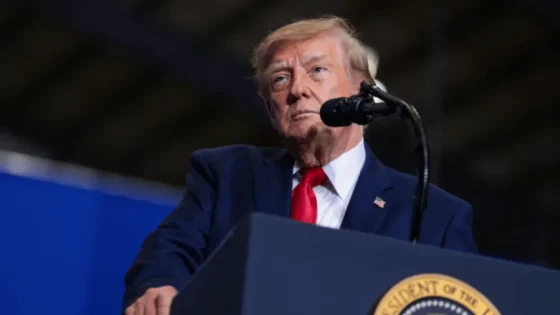
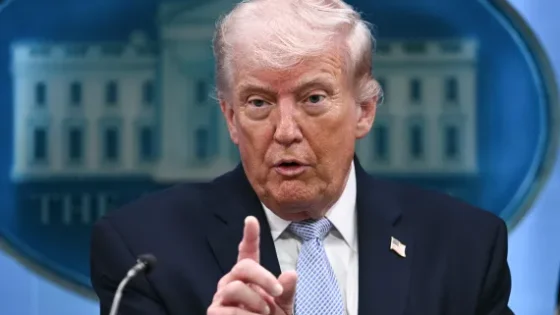
Last week, US President Donald Trump imposed tariffs of up to 50 percent on various Canadian goods. This created fresh tension following the failure of trade negotiations between the two countries. Washington and Ottawa have blamed each other for the collapse of the talks.
Canada's retaliatory measure raises fears of further heating up trade relations between the two countries. It could increase additional costs in supply chains built over decades, and it is feared that the impact will fall on ordinary consumers as well as businesses.
Meanwhile, anxiety has grown among Canada's business community regarding a long-term trade war with the United States, its largest trading partner. Opinion polls show that the majority of Canadian citizens support taking a tough stance against the United States. However, questions still remain regarding the exact reason why the trade talks broke down, with the opposition Conservative Party demanding the release of the full text of the proposed draft agreement with the US.
Concurrently, concern is also rising within Canada's business community, with fears that a prolonged trade war with the United States, their largest trading partner, could cause significant damage to business operations.
Following Canada's announcement of retaliatory tariffs, the White House claimed that the US had offered Canada highly advantageous market access in recent negotiations. However, Washington accused Canada of choosing to reject it and pursue 'unreasonable demands' instead of seizing that opportunity.
On Tuesday, in a series of posts on the social media platform Truth Social, Trump expressed intense anger toward Canada as well. He accused Canada of 'ripping off' the United States for decades and imposing massive tariffs on American farmers.
Trump wrote, 'I work with many countries, but Canada is the most difficult and unreasonable. They think they are entitled. But they are not a state, so they won't have those rights anymore.' Trump even hinted at changing the name of Lake Ontario, one of the Great Lakes on the US-Canada border, to 'Lake America.' In a post, he wrote, 'We don't expect to be doing too much business with Ontario anymore.'