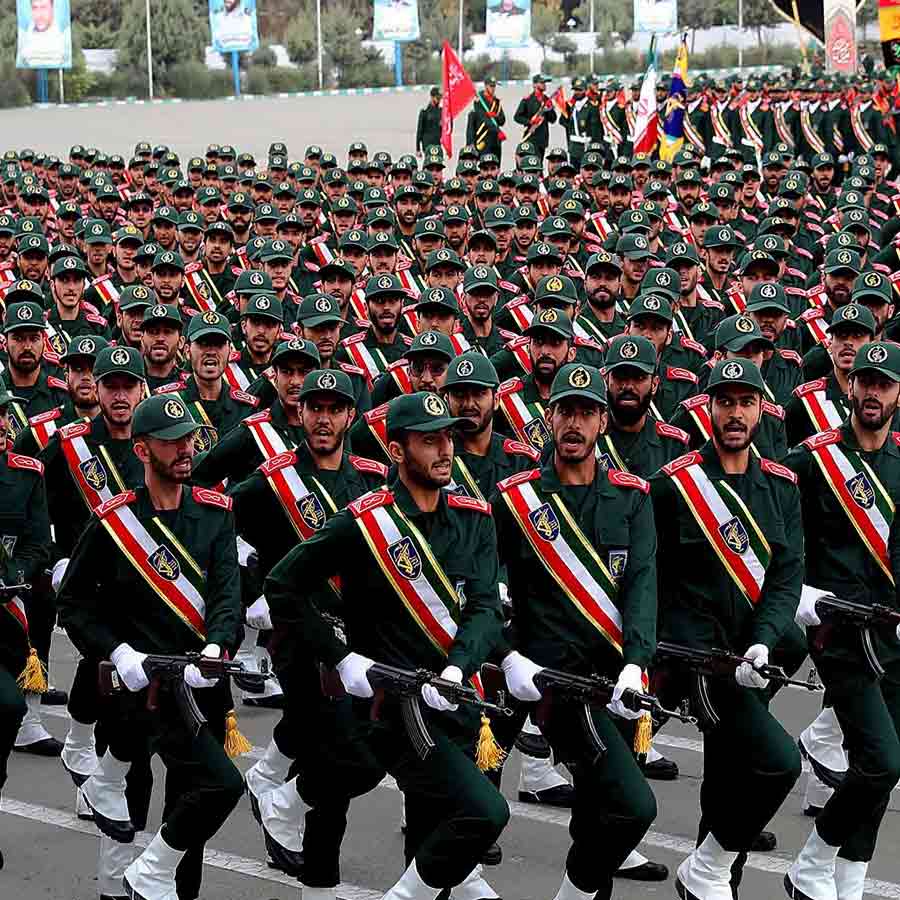
In Iranian military terminology, 'Code 100' generally refers to an extremely high level of military alertness and security-related preparation. Following this order, military forces have been instructed to rapidly prepare for potential conflict or military operations at the highest level.
Immediately after the attack by the Iran-backed Houthi forces against Saudi Arabia, tensions have escalated further across West Asia. Fearing that something terrifying might happen, the former Persian country has ordered its security forces to remain on ultimate alert and issued a special protocol.
The heat of war in West Asia is rising again, and the dark clouds of war are spreading across the sky. As the temperature of the conflict between Iran and America begins to rise, Tehran has started putting its house in order. Fearing that the tension of military operations across West Asia could reach a critical level, Iran has declared maximum national military preparedness. The former Persian country is eager to complete its ultimate preparations beforehand.
The administration of the former Persian country has ordered the Islamic Revolutionary Guard Corps (IRGC), Artesh (one of the branches of the Iranian military), the air defense forces, and internal security forces to remain prepared. Iran has issued a protocol named 'Code 100' across the country. According to reports in US media, all forces have been prepared to conduct rapid operations prior to potential military action.
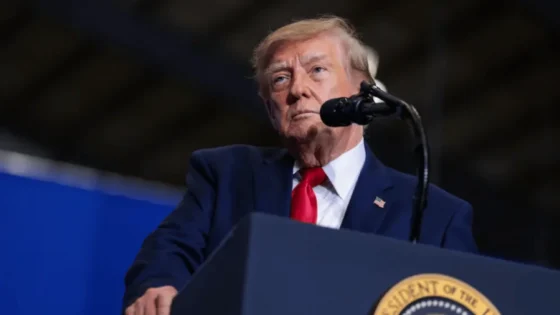
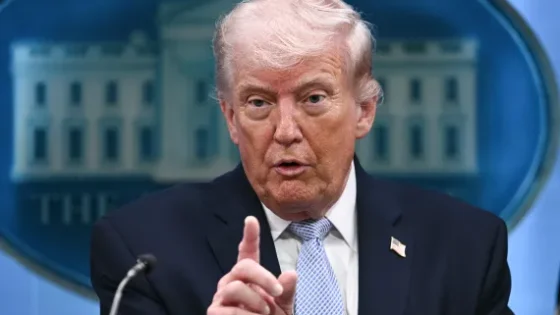
America is considering a new remedy to bring Iran to heel. If Iran does not change its stance, its fate will be terrifying, warned US President Donald Trump. The US Commander-in-Chief even threatened to obliterate the entire country if it misbehaves. To give a fitting reply to Trump's intimidation, the IRGC has stepped in with determination.
The US President warned that something major could happen very soon. He hinted that he could also crush Iran economically or diplomatically. In a counter-reply, Tehran stated that if the United States attacks, it will respond without considering anything.
This highest level of alertness was suddenly declared in Iran following multiple attacks across West Asia over the weekend. Tensions across West Asia increased further immediately after the attack by Iran-backed Houthi forces against Saudi Arabia. The organization launched ballistic missile and drone attacks targeting Riyadh, the capital of Saudi Arabia. It is also known that the Houthis have claimed responsibility for launching missile and drone attacks on areas surrounding the Saudi capital.
On the other hand, Saudi authorities stated that the Houthi forces' attack was thwarted through their air defense system. Amid this incident, alongside a further rise in regional tensions, concerns have also been created regarding the security of vital infrastructure and the transportation system in West Asia. That report mentioned that immediately following this incident, vigilance among the Iranian military has been increased further.
In Iranian military terminology, 'Code 100' generally refers to an extremely high level of military alertness and security-related preparation. Following this order, military forces have been instructed to rapidly prepare for potential conflict or military operations at the highest level.
In the case of such military preparations, steps are taken such as keeping troops ready for rapid deployment, strengthening military communication systems, and completing preparations to retaliate quickly in the event of a potential attack.
Among these, one of the main steps of this 'Code 100' is to protect crucial missile stockpiles from potential enemy airstrikes and to ensure foolproof security at Iran's underground missile bases, which are called 'missile cities'.
The IRGC may relocate mobile missile launchers to alternative or secondary positions. The purpose of this is to repeatedly change the positions of missiles and launcher units to keep them protected ahead of a potential attack.
According to sources, an integrated defense network has been created using Iran's indigenously made Khordad-15 and Bavar-373 air defense systems alongside the S-300 received from Russia. These systems have been kept active in the country's border areas and crucial strategic infrastructure. Air defense systems have utilized the 'high-frequency tracking mode' to conduct aerial surveillance more quickly and frequently to identify potential threats.
Iran's military planning includes a system known as 'mosaic defense'. Its main objective is to ensure that the country's defense system does not become completely paralyzed even if communication with the central military command is cut off during a war.
If Tehran's central command communication system is damaged or destroyed by the enemy's electronic warfare, cyber attacks, or targeted military strikes, IRGC commanders stationed in different regions will be able to make decisions according to their own circumstances. That means they will be given the power at the local level to independently conduct military operations, asymmetric strategies, and counterattacks.
In simple terms, even if communication with the central leadership is severed, various military units of Iran can continue fighting on their own—that is the goal of 'mosaic defense'.
Tehran is wrapping crucial nuclear facilities such as Natanz, Fordow, and Isfahan in a security blanket. Iranian intelligence agents are unwilling to leave even the narrowest gap around these areas to prevent potential attacks or surveillance.
Along with this, preventive measures have been taken to jam GPS signals and to detect and counter aerial surveillance or drone movements. In other words, this extra preparation is being undertaken to reduce or avoid the possibility of enemy surveillance or attacks on the nuclear infrastructure.
On the other hand, as soon as news of the Houthi attacks and the activities of the Iranian military reached Washington, Donald Trump changed his scheduled program. He returned to the White House from Camp David a day ahead of schedule. The official reason for this sudden schedule change by Trump was not clearly stated by the administration.
Various internal sources claim that Trump returned quickly to Washington for an emergency national security meeting and orders regarding the situation in Iran and the security of US troops in West Asia. At the same time, the Donald Trump administration issued security guidelines for US citizens stationed in and traveling to the Gulf region.
Washington also fears that the overall security situation in West Asia is extremely complex and could deteriorate rapidly and unexpectedly. War could break out at any moment. As a result, the airspace of West Asia could be abruptly closed, and flight services could be disrupted. Source: Anandabazar